Travel guide
You can bring alcohol, tobacco, and other goods into Great Britain without paying UK tax or duty, up to set limits called your personal allowance. Here's what those limits are, when you must declare, and how to do it before you fly.
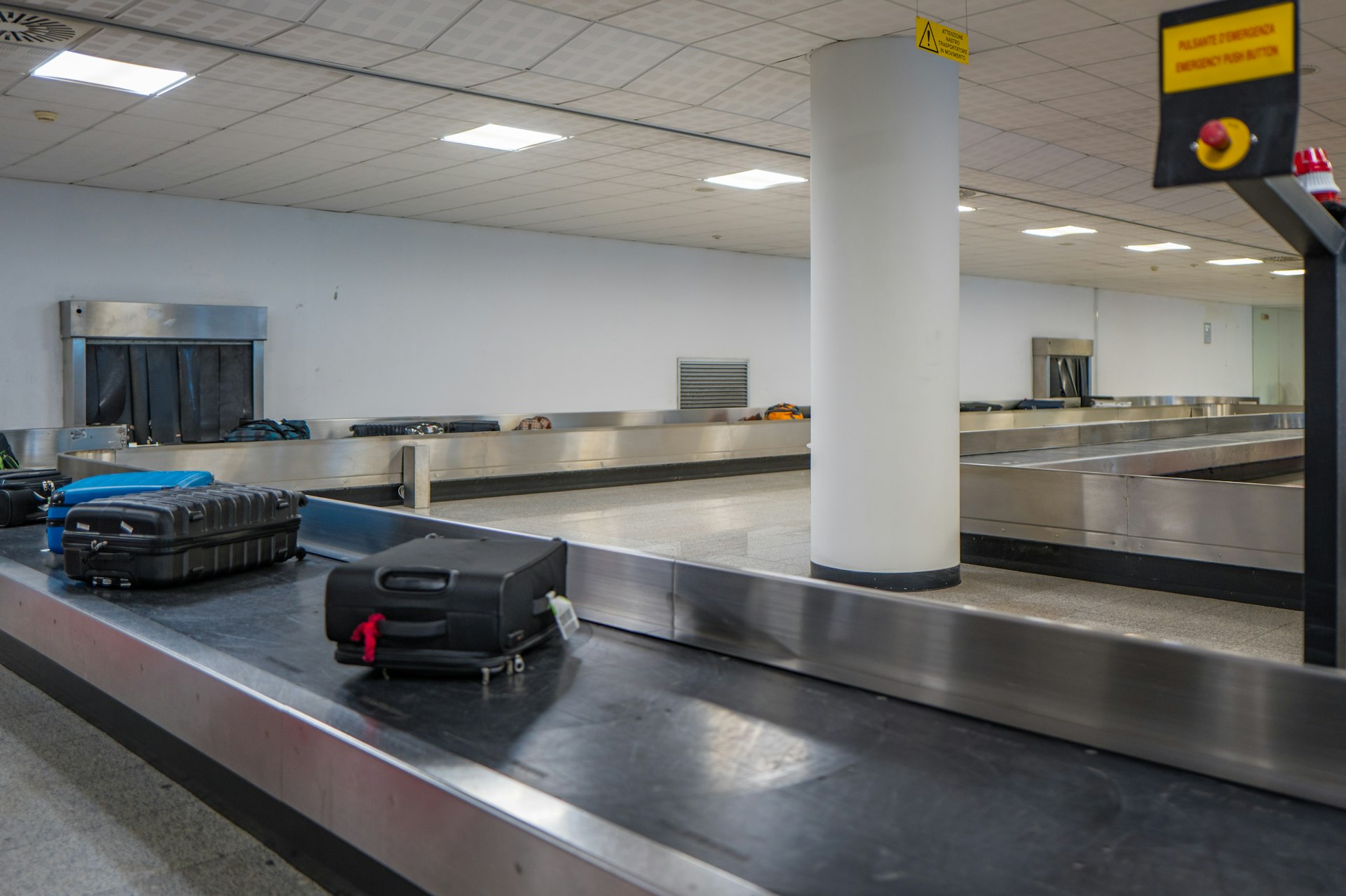
Suitcases on an airport baggage carousel, London
Next: the trip itself
Fly2Any travel brief
When to book, airport tricks, document changes and how to plan the whole trip. No fake fare alerts.
As a US traveler heading to the UK, you can bring in a set amount of goods for your own use or to give as gifts without paying UK tax or duty. This is called your personal allowance. The rules apply to anything you bought overseas, whether it came from a duty-free shop or a regular high-street store in the country you visited.[1]
The allowance depends on where you are traveling from and whether you arrive in Great Britain (England, Wales and Scotland) or Northern Ireland. Most US travelers flying into London, Edinburgh or Cardiff will follow the Great Britain rules. If you are arriving in Northern Ireland, different limits apply depending on whether you come from the EU or another country.[1],[3]
You do not need to declare anything if you stay within your allowance and are not bringing in banned or restricted goods. If you go over a limit, you must tell customs before you cross the border and pay tax and duty on all the goods in that category, not just the amount above the limit.[1],[2]
Your personal allowance covers alcohol, tobacco, vaping products and other goods. You must transport the goods yourself and use them yourself or give them away as a gift. You cannot combine your allowance with anyone else's, so each traveler has their own limits.[2]
There are no personal allowances for goods you bring in to sell or use in your business. If you are carrying commercial goods, you must declare all of them.[1]
If your trip includes Northern Ireland, the rules depend on whether you are traveling from the EU or from outside it. From EU countries, there are no limits to the alcohol and tobacco you can bring in, as long as you transport the goods yourself, use them yourself or give them as a gift, and have paid tax and duty in the country where you bought them.[3]
From outside the EU, you must transport the goods yourself and use them yourself or give them away as a gift. The limits are lower than for Great Britain: 16 litres of beer and cider, 4 litres of wine, 1 litre of spirits over 22% ABV, and 2 litres of alcoholic products up to 22% ABV. For tobacco, you can bring one of the following: 200 cigarettes, 100 cigarillos, 50 cigars, 250g tobacco or 200 sticks of tobacco for electronic heated tobacco devices.[3]
Other goods are capped at £390, or £270 if you arrive by private plane or boat, and this includes vaping products. If you go over your allowance from outside the EU, you must declare all your goods and pay tax and duty on all the goods in that category. There are no personal allowances for tobacco or alcohol if you are under 17.[3]
If you exceed your allowance, you may have to pay import VAT and customs duty. Import VAT is charged on the total value of the goods plus duty, at the current UK VAT rate. For other goods, you pay tax and duty on the total value of the goods, not just the value above the allowance.[2]
You can calculate and pay any tax and duty you owe when you declare your goods online. Customs and excise duty paid online is calculated using simplified rates. If you do not want to use those rates, you can declare at the border instead.[6]
If you are bringing goods into Great Britain from the EU, you do not need to pay tax or duties on personal goods within your allowances. If EU goods are over your allowances, you will need to declare them and pay any customs duty, excise duty and import VAT due.[2]
You can declare goods online from 5 days (120 hours) before you are due to arrive in the UK. The online service lets you check if you need to pay tax or duty, declare goods if you go over your allowances, and pay what you owe before you arrive.[1],[7]
Check your limits
Before you pack, compare what you are bringing against the alcohol, tobacco, vaping and other goods allowances for Great Britain or Northern Ireland. Remember that each traveler has their own allowance and you cannot combine them.[2]
Gather your details
Have the exact price in the currency you paid, the quantity or volume, your passport number, your arrival date and time, and a credit or debit card ready.[7]
When you enter the UK, you can use the green 'nothing to declare' channel if you have nothing to declare. If you have goods to declare and have not declared online, use the red channel or red-point phone.[6],[7]
Travellers and their baggage can be checked for anything that must be declared. You may be asked to pay tax or duty, give up banned goods, or produce documents for restricted goods such as licences and permits. If you do not do what you are asked, your goods and any vehicle used to transport them may be seized.[6]
You must declare goods if you pass through UK border controls when transiting through a UK airport on the way to another country. You must also declare goods that are banned or restricted, and goods you plan to sell or use in a business.[6]
Some goods cannot be brought into the UK and will be seized by customs. These include controlled drugs, offensive weapons such as flick knives, self-defence sprays such as pepper spray and CS gas, endangered animal and plant species, rough diamonds, and indecent and obscene materials such as books, magazines, films and DVDs.[5]
Personal imports of meat and dairy products from most non-EU countries cannot be brought into the UK. Some food and plant products are restricted if they are not free from pests and diseases, are not for your own use, or were not grown in the EU.[5]
Some goods are restricted and need a special licence, such as firearms, explosives and ammunition. If you bring items protected by CITES, you may need to apply for a permit or certificate online. CITES-protected items include certain foods and beauty products, exotic leather goods, furs, wooden musical instruments, tourist curios and some medicines. When traveling to Great Britain, you need to arrive at one of the ports or airports that handles CITES items.[5]
Goods suspected of infringing intellectual property rights, such as pirate copies of movies or music, may be seized and you could be prosecuted.[5]
If you cannot use the online service, you can call the HMRC helpline on 0300 322 9434, open Monday to Friday, 8am to 6pm. If you have paid too much tax or duty and need a refund, fill in form C82 and send it to the address on the form. You can email HMRC at different.format@hmrc.gov.uk if you need form C82 in a different format.[7]
If you are traveling from Great Britain to Northern Ireland, you may need to declare your goods if you are not a UK resident, if you are taking in alcohol, tobacco or vaping products over the Northern Ireland allowances and excise duty has not been paid in Great Britain, or if you are taking in goods worth more than £390 and have not paid VAT on them in Great Britain. You also need to declare certain vehicles, for example if you are taking one there permanently, if you bought it in Great Britain for personal use or as a gift, if its value together with other goods exceeds £390, if it is already registered with DVLA, or if you have not paid VAT on it in Great Britain.[4]
No. You only need to tell customs about goods where you go over your allowances, goods that are banned or restricted, or commercial goods. If you stay within your personal allowance and are not carrying restricted items, you can use the green 'nothing to declare' channel.[1],[7]
No. You cannot combine your personal allowance with anyone else's. Each traveler has their own limits, so plan your purchases accordingly.[2]
You must pay tax and duty on all 19 litres because you have gone over your 18-litre wine allowance. The allowance is not a threshold where you only pay on the excess; you pay on the whole category.[2]
You can split the tobacco allowance, so you could bring in 100 cigarettes and 25 cigars. If you bring in 200 cigarettes and 50 cigars, you must pay tax and duty on both because you have gone over your allowance in the tobacco category.[2]
You can declare goods online from 5 days (120 hours) before you are due to arrive in the UK. You can calculate and pay any tax and duty you owe at the same time using simplified rates.[1],[6]
You can call the HMRC helpline on 0300 322 9434, open Monday to Friday, 8am to 6pm. You can also declare at the border using the red channel or red-point phone if you have not been able to declare online.[6],[7]
Not exactly. The rules and allowances for bringing goods into Northern Ireland depend on whether you are traveling from the EU or another country. From outside the EU, the limits are lower than for Great Britain, and you must declare all your goods and pay tax and duty on all the goods in that category if you go over.[3]
Every rule, fee and deadline above is taken from these official pages, which we read on November 4, 2026. Rules change, so check the official page before you apply or pay.
Was this guide helpful?
Paperwork sorted?
Flights to London
Real fares for your dates, with bag fees shown before you pay.
Compare flightsWhere to stay in LondonBeen through this recently? Share what happened, a tip, or a question for other travelers.
No comments yet. Be the first to share your experience.
There are no personal allowances for alcohol, tobacco and vaping products if you are under 17.[2]
You are more likely to be asked questions if you bring in more than 400 cigarillos, 800 sticks of tobacco for electronic heated tobacco devices, 200 millilitres of vaping products, 110 litres of beer, 90 litres of wine, 10 litres of spirits or 20 litres of fortified wine such as sherry or port from an EU country.[3]
You need to declare each item you bought when you declare your goods. If you gave your email address, you will get an email receipt after declaring. If you did not, make a note of the reference number you are given, because customs officials may ask for the receipt or confirmation number at the UK border.[2],[7]
Save your receipt or reference number
You will get an email receipt if you gave your email address. If not, note the reference number. Customs officials may ask for it at the border.[7]
Use the red channel or red-point phone if you could not declare online
If you have not been able to declare online, you can declare using the red channel or red-point phone on arrival. You can also declare at the border if you do not want to pay the simplified rates or if you are carrying goods to sell or use in your business.[6]
Update your declaration if your plans change
If you need to declare more goods after your original declaration, you can make changes online. You will need your declaration reference number, the exact price, the number of items or volume, and the country of production if you are coming from the EU.[7]
If you are traveling from Northern Ireland to Great Britain, you do not have to declare any goods. You will need to pay Import VAT on any goods you buy in Northern Ireland from shops that offer tax-free shopping under the VAT Retail Export Scheme.[4]