
At a glance
- Alcohol duty-free
- One liter of an alcoholic beverage for personal use may be brought back duty-free. Alcohol included in your personal exemption must be intended exclusively for your personal use and not for sale.[1]
- Tobacco duty-free
Travel guide
Most returning US residents can bring back $800 worth of goods duty-free if they've been abroad at least 48 hours and haven't used the exemption in the past 30 days. Here's how the allowance works, what's excluded, and how to declare it.
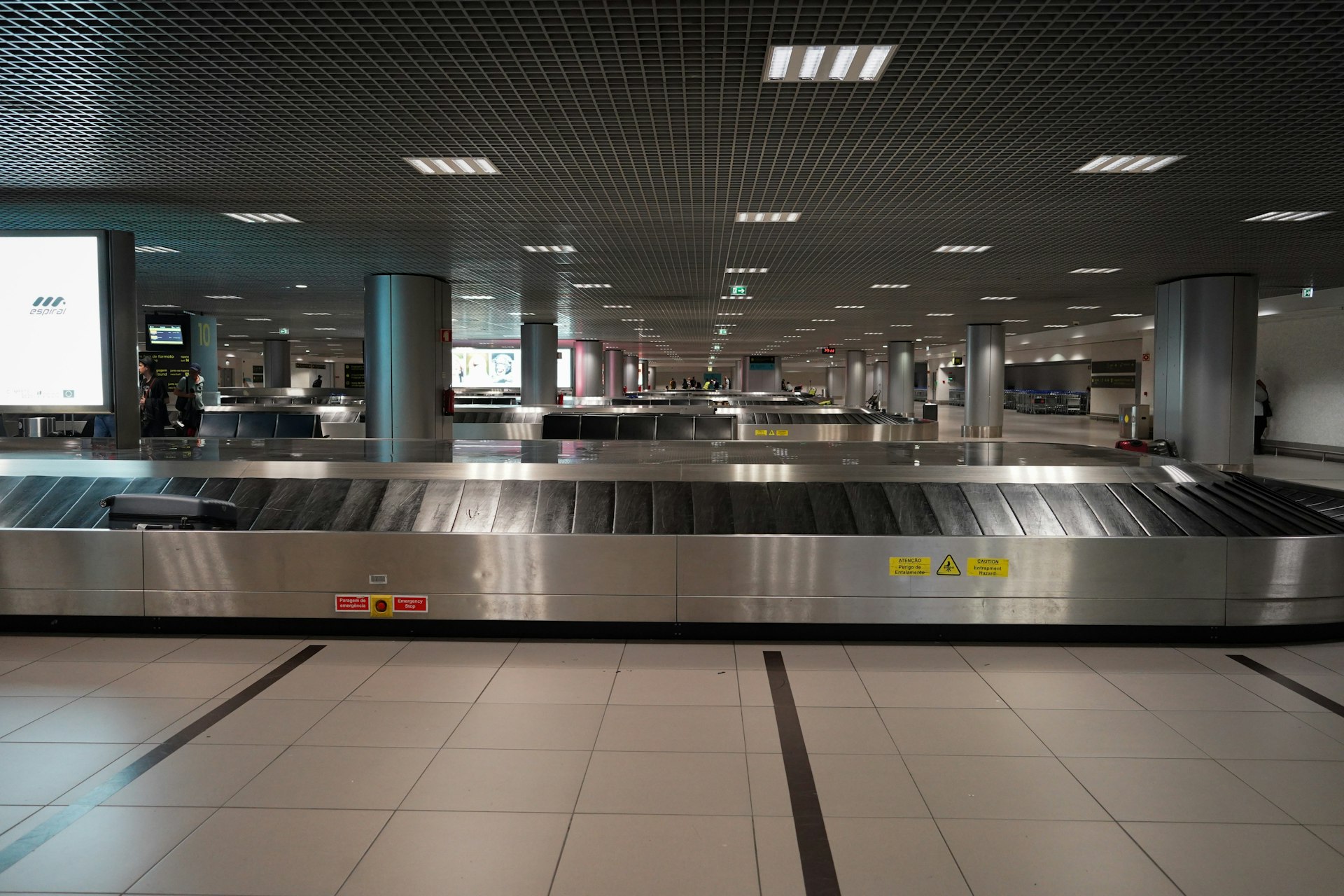
An airport baggage claim hall, New York
Next: the trip itself
Fly2Any travel brief
When to book, airport tricks, document changes and how to plan the whole trip. No fake fare alerts.
If you're a US resident returning from a trip abroad, you can usually bring back a set value of goods without paying customs duty. That value is called your personal exemption, and it's either $200, $800, or $1,600 depending on the countries you visited. The limit depends on the country or countries you visit and the length of your stay, so check which one applies to your trip.[3],[5]
Customs duty is a tariff or tax imposed on goods when transported across international borders. The flat duty rate will apply to articles that are dutiable but that cannot be included in your personal exemption, even if you have not exceeded the exemption. The rules are specific about what counts, how often you can use the exemption, and what you must declare.[1]
The single most important thing to know: anything you bring back that you did not have when you left the United States must be declared. That includes gifts you received abroad and items you bought in a duty-free shop.[1],[3],[6]
The duty-free exemption is for returning US residents. To use it, several conditions must all be true. You must be returning from an overseas stay of at least 48 hours, you must not have used any part of your exemption allowance in the past 30 days, the items must be for personal or household use or intended as gifts, they must be in your possession and accompany you when you return, and they must be declared to CBP.[5]
The 48-hour rule does not apply if you're returning from Mexico or from the U.S. Virgin Islands. The 30-day frequency limit is separate: the duty-free exemption applies only if you have not used all of your exemption allowance, or any part of it, in the past 30 days. If you bring back $150 worth of items from England, for example, you must wait another 30 days before you are allowed another exemption.[5],[9]
Some items never qualify. Items brought back for resale are not eligible for the duty-free exemption. Gifts for business or commercial purposes may not be included either. And items to be sent later may not be included, with exceptions for goods sent from Guam or the U.S. Virgin Islands.[5],[6],[7]
Family members who live in the same household and return to the United States together can make a joint declaration. That means you can combine your exemptions. For a family of four traveling together, the combined value of merchandise subject to a flat duty rate would be $4,000.[1]
The exemption itself is free to use. You only pay duty on the value above your exemption, and the rate depends on where the goods came from. For goods from a Column 2 country, declared amounts in excess of the exemption are subject to a flat 4% rate of duty, plus any applicable IRS taxes.[1]
The flat duty rate also applies to articles that are dutiable but that cannot be included in your personal exemption, even if you have not exceeded the exemption.[1]
For goods from a Column 2 country, the tiers work like this: personal-use articles with a fair retail value under $800 can be imported duty-free under HTSUS 9804.00.65. Articles for personal use valued between $800 and $1,800 are subject to a flat 4% duty rate. Anything valued over $1,800, regardless of whether for personal use, must go through formal entry and is classified and assessed duty under the specific HTSUS Column 2 rates.[1]
The duty rate is a percentage determined by the total purchased value of the article paid in the foreign country. It is not based on quality, size, or weight. Purchase totals must be rounded to the nearest dollar amount.[1]
Before you fly, make sure your paperwork is in order. CBP recommends carrying these items rather than packing them in checked baggage.[2]
Fill out the declaration form
All travelers must complete a CBP Declaration Form 6059B itemizing all purchased merchandise and agricultural products. You can get a paper form at the port of entry or on the flight or cruise, use an Automated Passport Control kiosk, or use the Global Entry mobile app if you're a Trusted Traveler member.[5],[9]
List everything you acquired
Declare anything you did not have when you left the United States, including gifts received abroad and items bought in duty-free shops. If in doubt about whether to declare an item, declare it.
The exemption is claimed when you return and complete your declaration. All travelers must complete a CBP Declaration Form 6059B itemizing all purchased merchandise and agricultural products. The timing rules are about your travel history: the exemption applies if you are returning from an overseas stay of at least 48 hours, and only if you have not used all of your exemption allowance, or any part of it, in the past 30 days.[5]
You must have been abroad for at least 48 hours, and you must not have used all or any part of your exemption allowance in the past 30 days. The 48-hour time limit does not apply if you are returning from Mexico or from the U.S. Virgin Islands.[5],[9]
If you're bringing back a substantial quantity of alcohol for personal use, contact the US port of entry you'll be returning through and make prior arrangements for the importation. You can also call the CBP attaché at the US embassy in the country you're visiting to learn which duty rates apply to the goods you plan to buy.[1],[5]
The exemption covers items for personal or household use and gifts. Gifts you bring back for other people can be included, and so can gifts given to you while abroad, such as wedding or birthday presents. But gifts intended for business, promotional, or other commercial purposes cannot be included.[5],[7]
Alcohol and tobacco are treated differently. Federal and state regulations allow you to bring back one liter of an alcoholic beverage for personal use duty-free. The alcohol must be intended exclusively for your personal use and not for sale, and it must not violate the laws of the state where you arrive. Some states allow more than one liter, but you'll pay applicable customs duty and IRT on the extra.[1]
For tobacco, returning residents may import only quantities not exceeding the personal exemption limits, which is not more than 200 cigarettes and 100 cigars if arriving from other than a beneficiary country and insular possession. The tobacco exemption is available to each adult 21 years of age or over. Any quantities not permitted by a personal exemption are subject to detention, seizure, penalties, abandonment, and destruction.[1]
Unlike other kinds of merchandise, amounts of alcohol and cigarettes beyond those duty-free limits are taxed even if you have not exceeded, or even met, your personal exemption. The duty-free quantities can be included in your $800 or $1,600 exemption, just as any other purchase should be.[1]
CBP must inspect everyone who arrives at a US port of entry. Officers are authorized to ask about your citizenship, your trip, and anything you're bringing back that you did not have when you left. They also have legal authority to search you, your baggage, or your vehicle without a warrant.[5],[6]
If asked, place your opened baggage on the exam station. After the exam, you'll be asked to repack and close your baggage. CBP pledges to treat you courteously and professionally. If at any point you're unhappy with your treatment, ask to speak to a CBP supervisor.[5]
If you're carrying more than $10,000, or its foreign equivalent, in currency or monetary instruments, you must file a FinCEN Form 105 with CBP. The threshold applies to the total amount carried by an individual or by groups traveling together where the combined amount exceeds $10,000. If you file electronically, you must arrive at a US port of entry within 72 hours.[9]
Some items are prohibited or restricted and won't enter the country at all. Prohibited means an item is forbidden by law to enter the United States. Restricted means special licenses or permits are required from a federal agency before the item is allowed in. Examples of prohibited items include dangerous toys, cars that don't protect their occupants in a crash, bush meat, and illegal substances like absinthe and Rohypnol. Restricted items include firearms, certain fruits and vegetables, animal products, animal by-products, and some animals.[4]
Before you leave, you can talk to CBP about items you plan to bring back to check whether they're prohibited or restricted. If you buy merchandise from street vendors that turns out to be counterfeit or unsafe, you may have to surrender it to CBP officers upon your return home.[3],[4]
Returning US residents can bring back goods duty-free after a stay of at least 48 hours, as long as they haven't used any part of their exemption in the past 30 days. The amount is $200, $800, or $1,600 depending on the countries visited. The 48-hour rule is waived for returns from Mexico and the U.S. Virgin Islands.[3],[5],[9]
Yes. All items you receive as gifts while abroad and items you buy to give as gifts must be declared. Gifts for personal use can be included in your duty-free exemption, but gifts for business or commercial purposes cannot. Gifts worth more than $5 that contain alcohol, tobacco, or perfume containing alcohol may not be included as gifts in the exemption.[3]
You can bring back one liter of alcohol for personal use duty-free, and some states allow more if you pay the duty. For tobacco, the limit is generally 200 cigarettes and 100 cigars if arriving from other than a beneficiary country and insular possession, and the exemption is available to each adult 21 or over. Anything beyond those limits is taxed even if you haven't used your personal exemption.[1]
If you do not declare something that should have been declared, you risk forfeiting the item. If in doubt, declare it. Prohibited items may never enter the United States by law, and counterfeit or unsafe goods bought from street vendors may have to be surrendered.[3],[5]
Yes. Family members who live in the same household and return to the United States together can make a joint declaration. For a family of four traveling together, the combined value of merchandise subject to a flat duty rate would be $4,000.[1]
All travelers must complete a CBP Declaration Form 6059B itemizing all purchased merchandise and agricultural products. You can get a paper form at the port of entry or on the flight or cruise, use an Automated Passport Control kiosk, or use the Global Entry mobile app if you're a Trusted Traveler member. Keep your receipts handy to make the process easier.[5],[9]
No. Goods purchased in a duty-free shop are not automatically free of duty upon your return to the US. Articles purchased in an American customs duty-free shop are subject to US customs duty if you bring them into the United States. You must declare them like any other purchase.[1],[3],[6]
Every rule, fee and deadline above is taken from these official pages, which we read on October 23, 2026. Rules change, so check the official page before you apply or pay.
Paperwork sorted?
Flights to New York
Real fares for your dates, with bag fees shown before you pay.
Compare flightsWhere to stay in New YorkBeen through this recently? Share what happened, a tip, or a question for other travelers.
No comments yet. Be the first to share your experience.
Round your totals
Purchase totals must be rounded to the nearest dollar amount.[1]
Talk to the CBP officer
The officer may ask about your citizenship, the nature of your trip, and anything you're bringing back. If warranted, the officer will calculate the duties you owe on your newly acquired goods.[5]
Good to know
Duty-free shops aren't automatically duty-free
Goods purchased in a duty-free shop are not automatically free of duty upon your return to the US. Articles purchased in an American customs duty-free shop are subject to US customs duty if you bring them into the United States. Declare them like anything else.[1],[3],[6]
If you believe you've been charged an incorrect amount of duty on a package mailed from abroad, you can file a protest with CBP. Accept the package, pay the duty, and write a letter explaining why you think the amount was incorrect, including the yellow copy of the mail entry (CBP Form 3419Alt). Send it to the CBP office that issued the mail entry, listed in the lower left-hand corner of the form. Alternatively, refuse delivery and within five days send your protest letter to the post office holding the package; the post office will forward it to CBP and hold your package until the protest is resolved.[8]